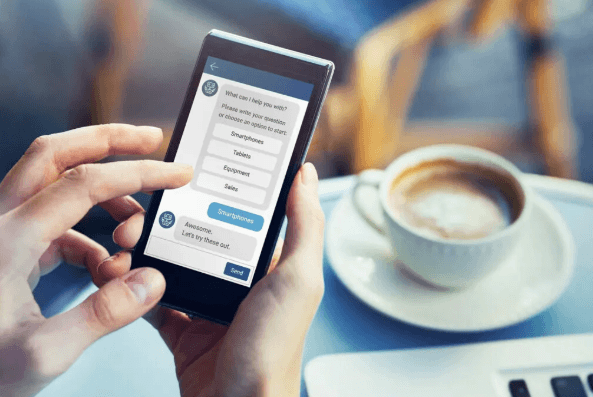

AI chatbots enhance customer experience by delivering fast, consistent, context-rich responses across channels. They reduce wait times, standardize replies, and surface actionable insights for service improvements. By aligning bot capabilities with clear goals and enabling smooth handoffs to humans, they support agents with relevant data and transparent interactions. The result is measurable gains in satisfaction, efficiency, and conversions, but the path to ROI requires careful design and ongoing optimization that keeps evolving.
How AI Chatbots Elevate Customer Interactions
AI chatbots elevate customer interactions by delivering fast, consistent responses across channels, while gathering insights that guide service improvements. They standardize replies, reduce wait times, and empower agents with contextual data. This approach supports AI ethics by prioritizing transparency and fairness, while tracking ROI metrics to demonstrate measurable value.
Decisions become actionable, customer-centric, and freedom-oriented through data-driven performance benchmarks and continuous optimization.
Choosing the Right Bot for Your CX Goals
Choosing the right bot for CX goals begins with a clear mapping of objectives to capabilities: define the desired outcomes (reducing handling time, boosting first-contact resolution, or increasing self-service adoption), align them with bot features (natural language understanding, multi-channel delivery, handoff to humans), and select metrics that quantify impact (average handling time, containment rate, customer satisfaction).
crafting onboarding guidance optimizes bot performance and accelerates adoption.
Design Principles for Smooth Bot-Human Handoffs
Designing seamless handoffs between bots and humans hinges on clear criteria, escalation triggers, and transparent user communication. Data shows effective handoff timing aligns with user intent and context signals, reducing frustration. Teams should codify escalation cues, documenting when to route to humans and what context to transfer. This customer-centric approach enables autonomy while preserving trust and speed through precise, actionable handoff guidelines.
Measuring Impact: From Satisfaction to Conversions
Measuring impact requires moving beyond satisfaction metrics to quantify how chatbot interactions influence downstream outcomes such as repeat visits, lead quality, and conversions. The analysis tracks customer sentiment, retention metrics, and automation ROI, linking conversational quality to behavior changes.
Clear benchmarks reveal error reduction, faster resolution, and higher conversion rates, guiding actionable optimization while empowering teams to prioritize customer freedom and value.
Frequently Asked Questions
How Secure Is My Data With AI Chatbots?
The data are safeguarded through robust security practices, strict data governance, and comprehensive privacy controls, with encryption standards in transit and at rest, enabling customers to pursue freedom while trusting secure, transparent AI chatbot interactions.
Can Chatbots Handle Complex Billing Inquiries?
Chatbots can handle complex billing inquiries with structured workflows and escalation paths. They improve accuracy and speed, while addressing Security considerations and data integrity; they empower users with transparent, data-driven insights and customizable, self-service options for freedom-seeking customers.
Do Chatbots Learn From Individual Customer Conversations?
Indeed, chatbots do learn from aggregated data, but not from individual conversations unless explicit consent is given. They use anonymized patterns to improve answers, balancing privacy, transparency, and actionable insights for a customer-centric, freedom-minded audience.
See also: How Blockchain Is Used in the Gaming Industry
Are Chatbots Accessible to Customers With Disabilities?
Chatbots are accessible to customers with disabilities when disability focused UX and accessibility testing are integrated, ensuring inclusive interfaces, alternative outputs, and assistive-tech compatibility. Data-driven insights inform improvements, enabling customers to navigate freely and confidently.
What’s the Total Cost of Ownership for Enterprise Bots?
“Time is money.” The total cost of ownership for enterprise bots involves a rigorous cost benefit analysis, balancing acquisition, maintenance, and governance against deployment scalability, ROI, and risk, empowering stakeholders to pursue freedom through data-driven, customer-centric decisions.
Conclusion
AI chatbots shorten wait times and standardize responses, yet human agents still matter for nuance and empathy. Juxtaposing speed with care, the data shows rapid resolution boosts satisfaction while trusted handoffs preserve context and trust. When goals are clear and metrics tracked, bots amplify efficiency without eroding personalization. For customers, consistency meets relevance; for organizations, ROI grows through actionable insights and smarter routing. In this balance, CX becomes measurable, repeatable, and genuinely customer-centric.